Creating a relaxing home office environment is essential for maintaining focus, reducing stress, and boosting productivity throughout your workday. Whether you’re new to working from home or have been doing it for a while, small changes to your workspace can make a big difference in how comfortable and motivated you feel. This guide offers helpful tips to transform your home office into a calm, inviting, and efficient place to work.
Choose the Right Location
Find a Quiet Spot
Selecting a location with minimal distractions helps you concentrate better. If possible, choose a room or corner away from busy areas like the kitchen or living room.
Consider Natural Light
Natural light can improve your mood and energy. Position your desk near a window to take advantage of daylight while avoiding screen glare.
Invest in Comfortable Furniture
Ergonomic Chair
An ergonomic chair supports good posture and prevents discomfort during long work hours. Look for adjustable height and lumbar support.
Suitable Desk
Pick a desk size that fits your workspace and work habits. Adjustable standing desks are popular options that let you alternate between sitting and standing.
Organize Your Space
Declutter Regularly
Keep only essential items on your desk. A clean surface helps reduce stress and keeps your mind clear.
Storage Solutions
Use shelves, filing cabinets, or drawer organizers to store documents and supplies neatly. Labeling items makes things easier to find.
Add Calming Elements
Choose Soothing Colors
Soft, neutral tones like blues, greens, or grays create a tranquil atmosphere and help lower stress.
Incorporate Plants
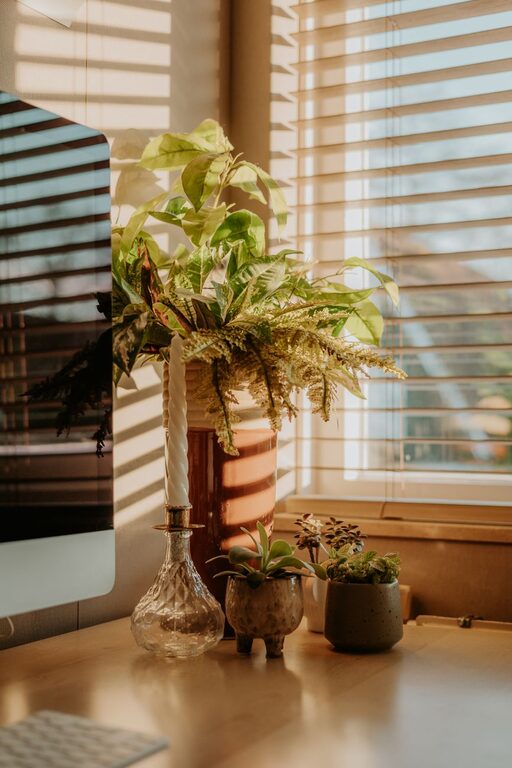
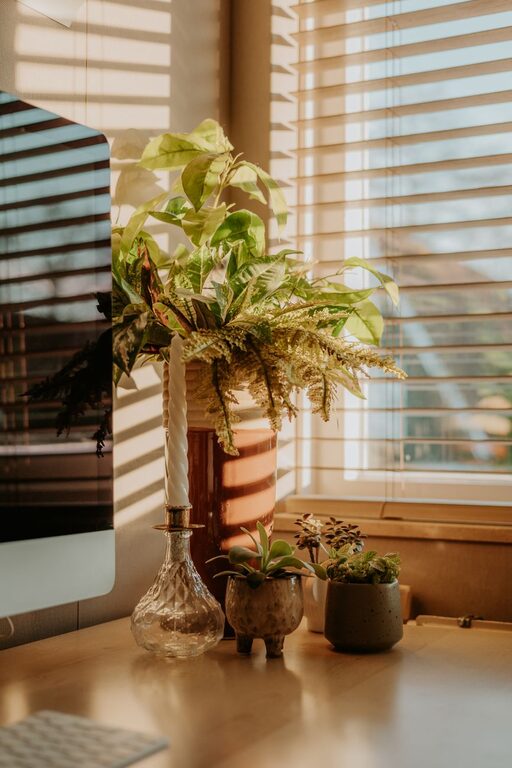
Indoor plants improve air quality and bring a touch of nature indoors, promoting relaxation and creativity.
Personal Touches
Display a few personal items such as photos or artwork that make you happy but avoid overcrowding the space.
Manage Lighting Effectively
Soft Lighting
Use adjustable lamps or warm light bulbs for soft, gentle lighting that reduces eye strain.
Task Lighting
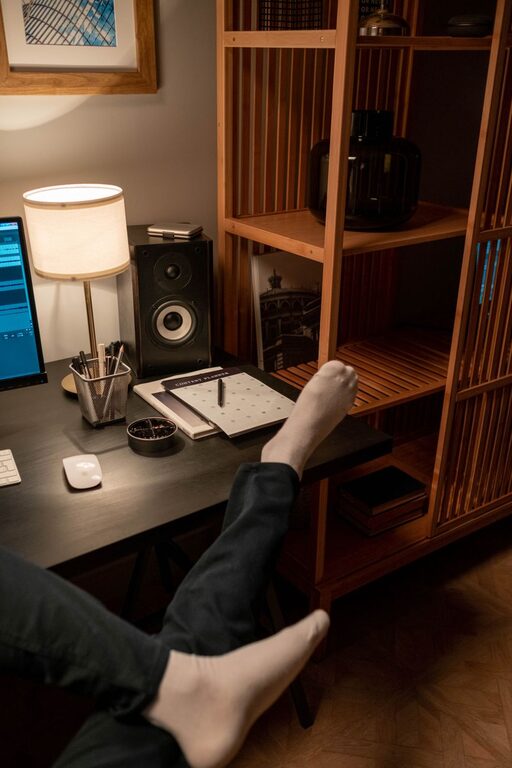
A desk lamp focused on your work area can provide extra brightness when needed without disturbing the room’s ambiance.
Control Noise Levels
Use Noise-Canceling Headphones
If background noise is unavoidable, headphones can block distractions and help you stay focused.
Add Soft Textiles
Rugs, curtains, and cushions absorb sound, making the room quieter and more comfortable.
Maintain Good Air Quality
Proper Ventilation
Keep windows open when possible or use an air purifier to ensure fresh air circulation.
Avoid Strong Scents
Strong perfumes or harsh cleaning agents can cause headaches and discomfort. Opt for subtle scents like lavender if you enjoy aromatherapy.
Establish a Routine
Set Work Hours
Having a consistent schedule helps your brain switch between work and relaxation modes.
Take Breaks
Short breaks throughout the day reduce fatigue and improve concentration. Try simple stretching or a quick walk.
Stay Hydrated and Snack Smartly
Keep Water Nearby
Staying hydrated is important for alertness. Keep a water bottle within reach.
Healthy Snacks
Choose nutritious snacks like nuts or fruit to maintain energy levels without sugar crashes.
Final Thoughts
A relaxing home office is a combination of comfort, organization, and personal style. By creating a peaceful, well-designed space, you support your well-being and productivity. Start small, incorporate the tips that work best for you, and enjoy the benefits of a calming workspace. Your workday just got better!