Creating a home office that feels both cozy and productive can significantly impact your work-from-home experience. A well-designed workspace promotes focus, reduces stress, and inspires creativity. Whether you’re setting up a new office or updating an existing space, these tips will help you craft a comfortable and efficient work environment.
Choose the Right Location
Selecting the best spot for your home office is the first step. Ideally, find a quiet area with minimal foot traffic and distractions. Natural light is a big plus, so near a window is ideal. If possible, pick a place with a door to close for added privacy during meetings or focused work sessions.
Invest in Ergonomic Furniture
Comfort plays a key role in staying productive. Choose a supportive chair that encourages good posture and a desk with enough surface area for all your work essentials. Adjustable desks that allow you to alternate between sitting and standing can also promote better health and focus.
Tips for Ergonomic Setup:
– Position your monitor at eye level to reduce neck strain.
– Keep your keyboard and mouse close to avoid overreaching.
– Use a footrest if your feet don’t comfortably reach the floor.
Optimize Lighting
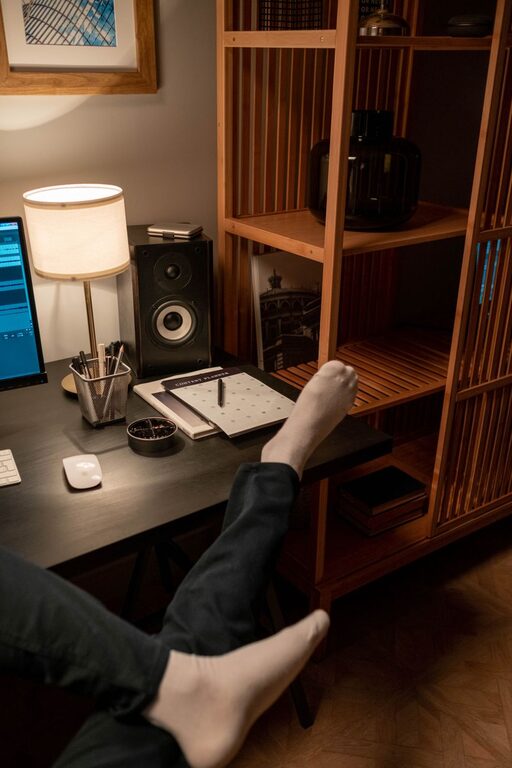
Good lighting reduces eye strain and boosts alertness. Avoid harsh overhead lights; instead, combine soft ambient lighting with task lighting such as a desk lamp. If your workspace is near a window, use blinds or curtains to control glare without sacrificing natural light.
Keep Your Space Organized
A tidy workspace helps clear your mind and save time. Use organizers, shelves, and storage bins to keep papers, supplies, and gadgets neat and accessible. Adopt a filing system that works for you—whether digital or physical—to manage important documents efficiently.
Organization Hacks:
– Use cable organizers or clips to manage cords.
– Keep frequently used items within arm’s reach.
– Declutter regularly to maintain a clean workspace.
Personalize for Comfort and Motivation
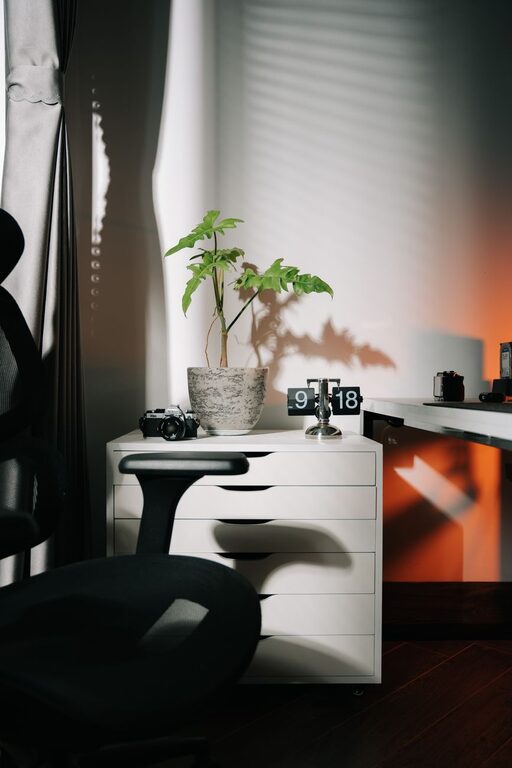
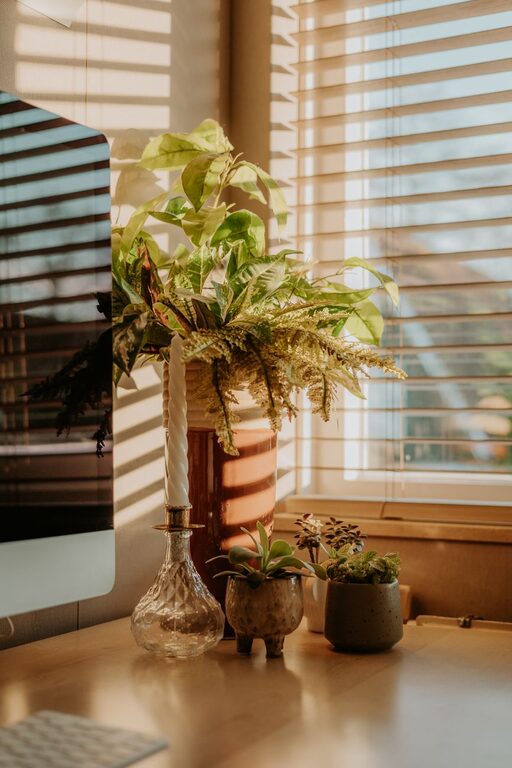
Adding personal touches can make your office inviting and inspiring. Consider including artwork, a vision board, or plants. Indoor plants not only improve air quality but also add a refreshing vibe to your space.
Minimize Distractions
Create boundaries for work time and personal time. Turn off non-essential notifications, and if possible, use noise-canceling headphones to block out background noise. Setting clear expectations with family members or roommates can also help reduce interruptions.
Incorporate Technology Wisely
Make sure your workspace is equipped with reliable technology. High-speed internet, a good-quality webcam, and a microphone are essential for virtual meetings. Use tools for task management and communication to stay organized without cluttering your screen or desk.
Add Comfort Features
Small comfort touches can make a big difference during long work hours. A cozy throw blanket, a comfortable wrist rest, or an adjustable desk fan can improve your overall experience. Consider also adding a small coffee station or water bottle to stay hydrated and refreshed.
Set Daily Routines and Breaks
A productive home office isn’t just about the physical setup—it also involves your habits. Plan your workday with regular breaks to stretch and rest your eyes. Stretching or a short walk can increase energy levels and reduce fatigue.
Final Thoughts
Designing a cozy and productive home office is a personal process. Focus on what makes you comfortable and focused. Experiment with different layouts, lighting, and organizational tools to find what works best for you. With the right setup, your home office can become a favorite place to work, helping you succeed every day.